Wearable Tech 2026: Must-Have Devices Transforming Health, Fitness, and Daily Life
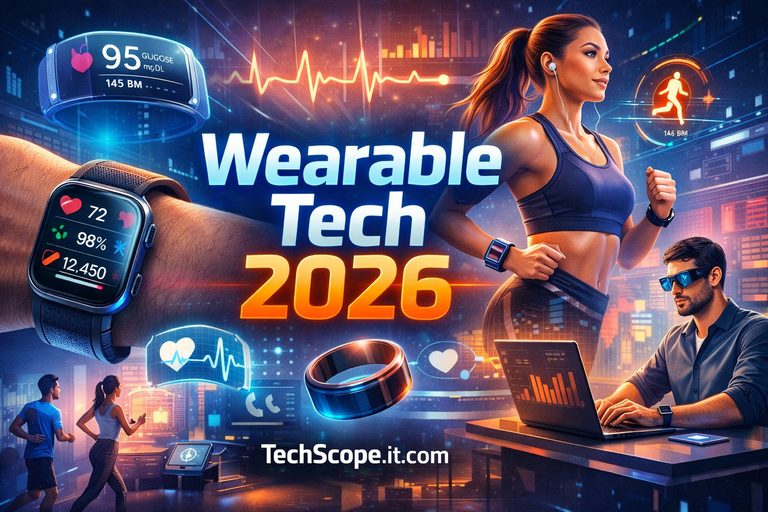
The year 2026 is shaping up to be transformative for wearable technology. No longer limited to simple step counters or heart rate monitors, wearable devices now combine artificial intelligence (AI), Internet of Things (IoT) connectivity, and advanced biosensors to improve health, fitness, and daily convenience.
Wearable Tech 2026 represents a shift from reactive tracking to proactive insights. Devices can anticipate user needs, provide real-time analytics, and seamlessly integrate with smartphones, smart homes, and even smart cities. For a broader understanding of how AI impacts daily life, see AI in Everyday Life.
Table of Contents
Evolution of Wearable Technology
How has wearable technology evolved to meet modern demands? From simple pedometers to multifunctional smartwatches, wearable devices have progressed rapidly over the past decade.
Initially designed to monitor basic health metrics like steps and heart rate, modern wearables now track oxygen levels, stress, sleep quality, and even glucose levels. AI-driven devices can adapt to user behavior, learn preferences, and generate actionable insights to optimize performance and wellness.
Companies are continuously innovating with devices that merge fitness, healthcare, and productivity into single devices. This evolution mirrors broader tech trends discussed in Smart Gadgets 2026, showing how connected devices are becoming essential parts of daily life.
For more industry context, you can explore Wearable Technology Trends 2026, highlighting emerging solutions and market projections.
Health and Fitness Applications
Why are wearables crucial for health and fitness in 2026? They provide real-time monitoring, personalized recommendations, and predictive analytics that empower users to make better health decisions.
- Heart Rate & Oxygen Monitoring: Advanced sensors track heart rate, blood oxygen levels, and ECG, helping users detect irregularities early.
- Sleep Tracking: Devices analyze sleep cycles, suggesting lifestyle changes for better rest.
- Fitness Metrics: AI-driven tracking creates personalized exercise routines and recovery plans.
Wearables have moved beyond consumer fitness to become healthcare tools. Hospitals and clinics increasingly integrate these devices for remote patient monitoring, chronic disease management, and post-surgery recovery. Learn more about AI-driven healthcare applications in Human-Centric AI 2026.
Smart Integration and Daily Life
How are wearables becoming part of daily routines? Devices now seamlessly connect with smartphones, smart homes, and AI assistants, providing automation, alerts, and context-aware guidance.
Examples include:
- Smart notifications for emails, calls, or reminders
- AI-assisted scheduling and wellness prompts
- Environmental monitoring, including UV exposure and air quality
IoT connectivity enables wearables to become central hubs in a user’s digital ecosystem. For insights on connected technologies enabling these experiences, see Next-Gen Edge Computing 2026.
Ethical, Privacy, and Security Considerations
Why is security and ethics critical in wearable technology? Wearables collect highly sensitive personal data, including health metrics and location, requiring robust privacy protections.
Key considerations include:
- Data Privacy: Devices must adhere to GDPR, HIPAA, and local privacy laws.
- Consent Management: Users should control what data is shared and with whom.
- Secure Storage & Encryption: Protects sensitive health and personal data from breaches.
As wearables become more integrated, users must understand privacy implications. For cybersecurity insights related to wearable and IoT devices, see Cybersecurity Trends 2026. Industry guidelines are also outlined in Wearable Technology Trends 2026, which emphasizes responsible design and secure systems.
Future Trends in Wearable Tech
What will wearables look like beyond 2026? Expect devices that integrate AI, AR, and predictive analytics, offering proactive guidance rather than reactive monitoring.
- AR and VR Integration: Enhancing fitness routines, gaming, and virtual workspaces.
- Predictive Healthcare: AI identifies early signs of illness and recommends interventions.
- Connected Ecosystems: Wearables integrated with smart cities, vehicles, and homes for real-time decision-making.
The future of wearables will prioritize personalization, data security, and ethical design, ensuring devices support both convenience and user well-being.
For a broader perspective on how technology shapes daily life, see Technology Trends 2026.
FAQs
Q1: What are the top wearable devices in 2026?
Smartwatches, fitness trackers, smart rings, and wearable medical monitors dominate the market, offering advanced analytics and integration.
Q2: How do wearables integrate with AI and IoT?
Devices collect real-time data, analyze it using AI, and interact with IoT-enabled systems to provide personalized insights and automation.
Q3: What security measures should users consider?
Encryption, secure storage, and consent management are crucial. Users should also regularly update devices and software.
Q4: Can wearables replace traditional health monitoring?
While they complement healthcare, wearables do not fully replace professional medical devices, but they offer preventative and ongoing insights.
Conclusion
Wearable Tech 2026 is no longer a luxury—it is an essential component of health, fitness, and daily life. By combining AI, IoT, predictive analytics, and ethical design, wearables empower users to monitor health, optimize performance, and stay connected seamlessly.
As these devices continue to evolve, they will shape a future where daily decisions are smarter, healthier, and more personalized. For additional insights into connected devices and emerging trends, explore Smart Gadgets 2026 and industry standards in Wearable Technology Trends 2026.