
Revolutionary Eco-Friendly Gadgets 2026: Innovative Devices Transforming the Tech Industry
The consumer electronics landscape in 2026 is undergoing a powerful shift toward sustainability. Tech products that were once energy-hungry, disposable, and environmentally harmful are being replaced by eco-friendly gadgets built for efficiency, durability, and responsible innovation. From solar-powered smart lighting and energy-saving home devices to modular laptops and biodegradable accessories, these next-generation technologies are redefining how people use electronics while significantly reducing environmental impact. As a result, consumers and businesses alike are embracing Eco-Friendly Gadgets 2026 to cut carbon emissions, minimize e-waste, and adopt smarter, greener digital lifestyles aligned with the global rise of Green Technology 2026.
Table of Contents
What Are Eco-Friendly Gadgets in 2026?
Q: What defines an eco-friendly gadget in 2026, and how do these devices reduce environmental impact?
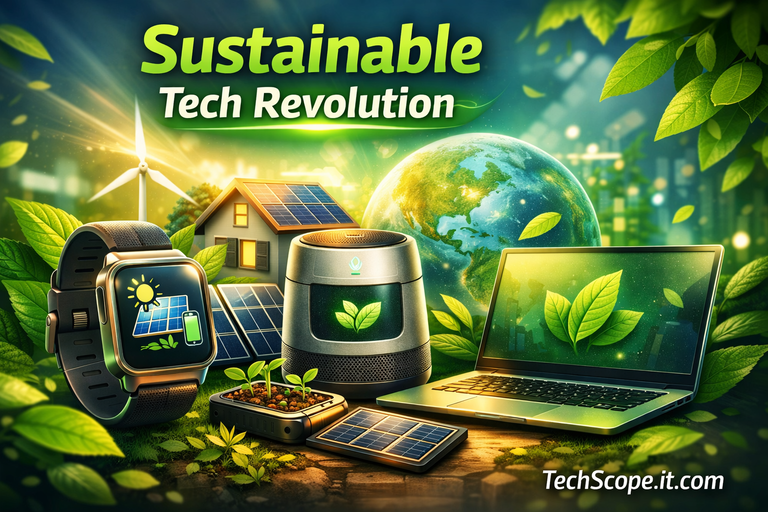
Eco-friendly gadgets are devices engineered to minimize energy consumption, reduce waste, and utilize sustainable materials. They include modular smartphones, solar-powered chargers, energy-efficient wearables, and accessories made from biodegradable plastics or recycled metals.
Unlike traditional electronics, Eco-Friendly Gadgets 2026 focus on long-term usability, repairability, and reduced environmental impact. For example, modular laptops allow users to replace only faulty components rather than discarding the entire device.
These innovations complement the broader trends seen in Smart Gadgets 2026, where convenience meets responsibility. According to industry research, adoption of eco-friendly gadgets is rising as consumers and corporations prioritize sustainability.
Benefits of Eco-Friendly Gadgets
Q: Why should consumers and businesses adopt eco-friendly gadgets in 2026?
- Energy Efficiency: Devices consume less electricity, reducing utility bills and lowering carbon emissions.
- Reduced E-Waste: Longer-lasting, modular, and repairable devices prevent premature disposal.
- Sustainable Materials: Biodegradable and recycled components minimize environmental harm.
- Brand Reputation: Companies embracing sustainable tech enhance their eco-conscious image.
Real-world examples include solar-powered smart home lights, energy-saving refrigerators, and modular laptops for corporate environments.
These benefits align with broader innovations in Green Technology 2026 and contribute to a more sustainable tech ecosystem. Industry reports show that consumers are increasingly willing to invest in eco-friendly gadgets that balance high performance with environmental responsibility, a trend also highlighted in recent sustainable technology research by CASAE Tech.
Types of Eco-Friendly Gadgets in 2026
Q: Which categories of devices are leading the eco-friendly movement in 2026?
Solar-Powered Gadgets
Devices like solar-powered chargers, outdoor lights, and smart garden sensors harness renewable energy, reducing reliance on the grid. These solutions are particularly useful in remote areas or off-grid applications.
Modular and Upgradable Devices
Smartphones, laptops, and wearables now feature modular designs. Users can upgrade memory, battery, or camera modules without replacing the whole device, significantly reducing electronic waste.
These modular innovations are part of the broader evolution highlighted in Foldable & Flexible Gadgets 2026.
Biodegradable Accessories
Cases, headphones, and wearable straps made from biodegradable materials offer high performance while decomposing naturally at the end of their lifecycle.
Consumer adoption of these products is accelerating as people become more environmentally conscious, supporting industry growth.
Real-World Use Cases of Eco-Friendly Gadgets
Q: How are eco-friendly gadgets being implemented in homes, offices, and urban spaces?
- Smart Homes: Energy-efficient thermostats, solar-powered lights, and recycled-plastic smart speakers reduce household energy consumption.
- Offices: Modular laptops and energy-saving monitors help organizations reduce operational costs and e-waste.
- Urban Spaces: Public solar-powered kiosks, sensors, and IoT devices support sustainable city management.
These applications highlight the real-world impact of Eco-Friendly Gadgets 2026 and mirror broader tech trends discussed in Technology Trends 2026. Studies confirm that sustainable gadget adoption improves efficiency, reduces costs, and supports environmental goals.
Challenges and Limitations of Eco-Friendly Gadgets
Q: What obstacles prevent widespread adoption of eco-friendly gadgets in 2026?
Despite the benefits, challenges remain:
- Higher Initial Costs: Sustainable components and modular designs can be more expensive.
- Availability: Certain eco-friendly gadgets are limited to niche markets.
- Performance Trade-offs: Some biodegradable materials may not match traditional durability.
- Consumer Awareness: Many users are unaware of eco-friendly options or their benefits.
Manufacturers are addressing these challenges with R&D, government incentives, and educational campaigns. These efforts are comparable to those seen in Foldable & Flexible Gadgets 2026, where innovation meets real-world adoption hurdles.
Future Trends for Eco-Friendly Gadgets Beyond 2026
Q: What does the future hold for eco-friendly gadgets beyond 2026?
- AI-driven energy optimization for smarter, greener devices.
- Widespread use of biodegradable, recyclable, and low-impact materials.
- Full integration with smart homes and smart cities for efficient resource management.
- Modular designs becoming standard across consumer and enterprise electronics.
These future trends align closely with innovations highlighted in Green Technology 2026. Experts predict exponential growth in eco-friendly tech adoption globally as environmental awareness continues to rise.
Conclusion
Eco-Friendly Gadgets 2026 are no longer a niche market—they are reshaping the tech industry by combining sustainability, efficiency, and high performance. From solar-powered smart devices to modular laptops and biodegradable accessories, these gadgets reduce energy consumption, prevent e-waste, and foster responsible innovation.
Adopting eco-friendly gadgets is not only beneficial for the environment but also practical for consumers and businesses looking to save costs, enhance sustainability, and stay ahead of technology trends. The future of consumer electronics is green, and 2026 is the year sustainability became mainstream.