Next-Generation Gadgets That Manage Your Life Smarter Than Ever
Modern life is becoming increasingly complex, fast-paced, and digitally connected. Managing schedules, health, finances, homes, and productivity now requires more than simple apps or reminders. This is where Next-Generation Gadgets are changing the rules. These intelligent devices no longer act as passive tools. They analyze behavior, predict needs, and actively manage daily routines with minimal human input.
From AI-powered assistants and smart wearables to automated homes and adaptive productivity systems, next-generation gadgets function as personal life managers. They learn from habits, integrate across platforms, and optimize decisions in real time. As explored in AI in Everyday Life, artificial intelligence is no longer experimental—it is now embedded deeply into the systems that organize work, health, travel, and personal growth.
In this article, we explore how next-generation gadgets work, what technologies power them, how they transform everyday life, and what the future holds for intelligent life management.
Table of Contents
What Are Next-Generation Gadgets and How Do They Work?
Next-generation gadgets are intelligent, connected devices designed to manage tasks, decisions, and routines autonomously. Instead of reacting to commands, they predict needs, analyze patterns, and optimize actions continuously, transforming technology into a proactive personal assistant.
Next-generation gadgets combine artificial intelligence, sensors, connectivity, and automation to manage everyday activities. Unlike traditional smart devices that respond only when prompted, these gadgets monitor user behavior, learn preferences, and take action independently. They adjust schedules, recommend actions, optimize environments, and coordinate multiple systems without constant supervision.
At the core of these devices lies behavioral learning. Over time, they recognize sleep patterns, work habits, exercise routines, and productivity cycles. This allows them to recommend ideal meeting times, optimize lighting and temperature, schedule workouts, reorder supplies, and even manage digital well-being.
This intelligent ecosystem aligns closely with the product evolution highlighted in Smart Gadgets 2026, where automation, personalization, and cross-device integration define the future of consumer technology.
Core Technologies Powering Life-Managing Gadgets
The intelligence behind next-generation gadgets comes from artificial intelligence, machine learning, sensors, cloud computing, and edge processing. Together, these technologies enable real-time analysis, predictive automation, and personalized decision-making across devices and environments.
Artificial intelligence is the brain of life-managing gadgets. It processes massive amounts of data from sensors, user inputs, calendars, health trackers, and connected devices. Machine learning algorithms continuously refine predictions based on past behavior, improving accuracy with time.
Sensors provide context—detecting movement, heart rate, location, voice tone, temperature, and even stress levels. Cloud platforms synchronize data across devices, ensuring seamless coordination between phones, wearables, home systems, and vehicles. Edge computing processes urgent data locally, allowing instant responses without internet delays.
According to IBM’s Artificial Intelligence overview, modern AI systems now recognize patterns, learn from experience, and automate complex decisions—making truly intelligent life-management technology possible at scale.
Categories of Next-Generation Gadgets Managing Daily Life
Next-generation gadgets operate across every major lifestyle domain—from productivity and health to home automation and personal finance—creating unified digital ecosystems that manage routines, safety, and performance seamlessly.
Smart Personal Assistants and AI Companions
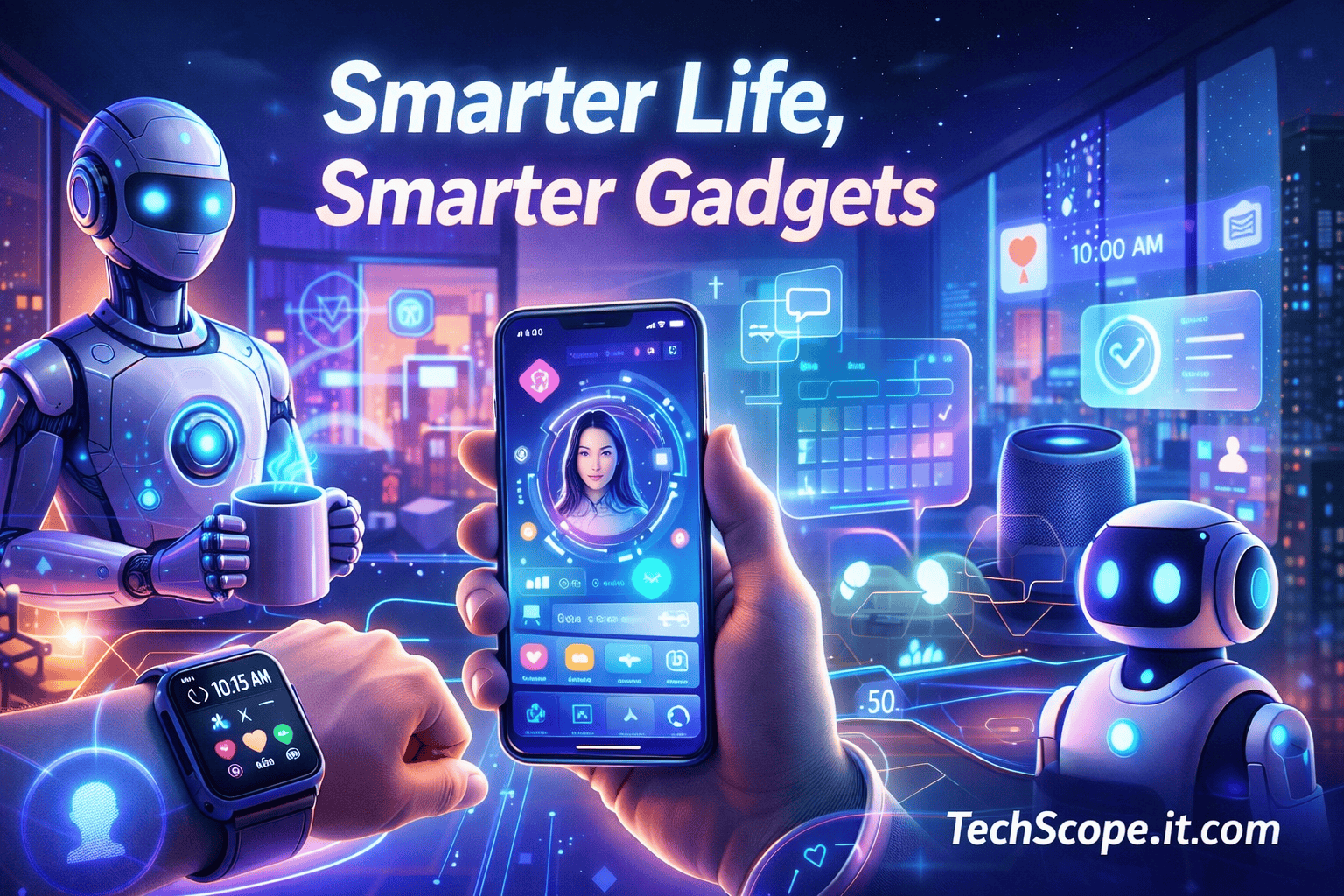
Advanced voice assistants now manage calendars, prioritize emails, schedule meetings, book travel, and handle reminders proactively. Some AI companions also analyze mood, recommend breaks, and optimize daily workloads based on energy levels.
Wearable Intelligence for Health and Wellness
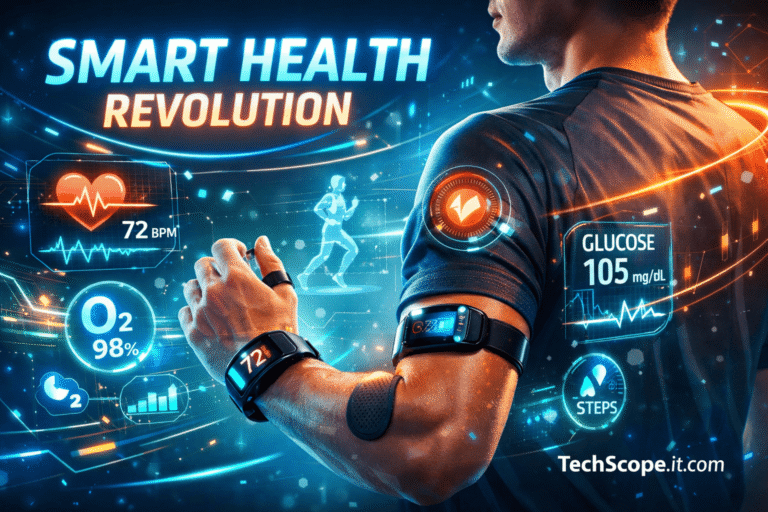
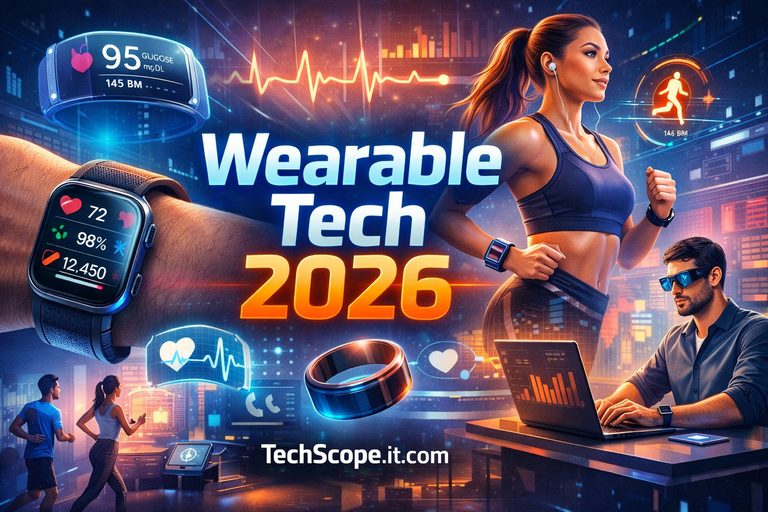
Smartwatches and health bands track heart rhythms, sleep quality, activity levels, hydration, stress, and recovery. These devices now provide predictive alerts for fatigue, illness, and burnout—helping users prevent problems before symptoms appear.
Smart Home Orchestration Systems
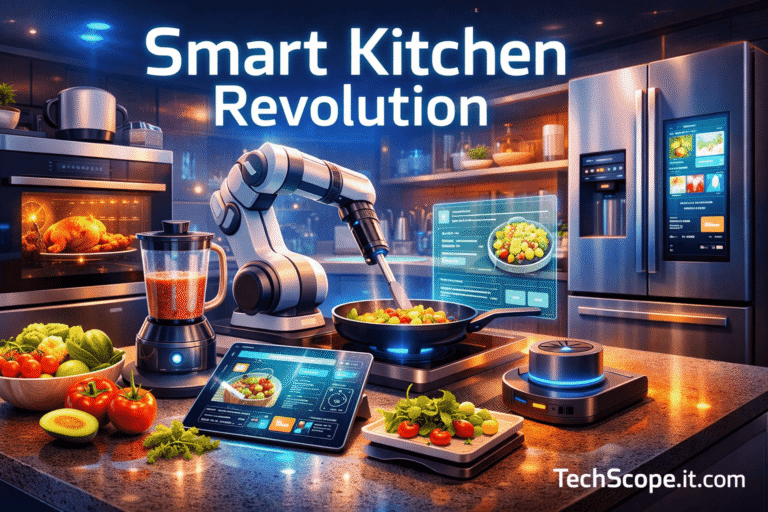
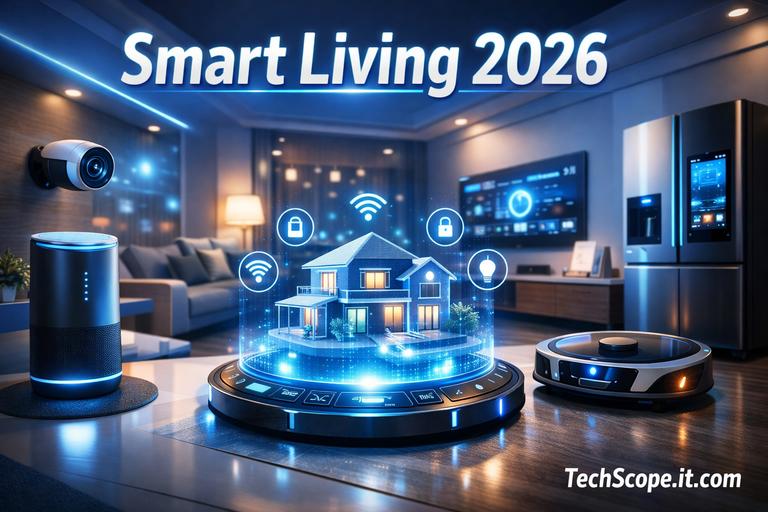
Homes equipped with intelligent hubs coordinate lighting, climate, security, energy usage, and appliances automatically. These systems adapt to occupancy, weather, and schedules, reducing energy waste while enhancing comfort and safety.
Productivity and Task-Management Devices
AI-powered planners, digital notebooks, and smart desks track focus patterns, schedule deep work sessions, block distractions, and optimize workflow based on performance data.
Financial and Lifestyle Optimization Tools
Intelligent finance gadgets monitor spending, forecast cash flow, recommend savings strategies, and automate bill payments. Lifestyle platforms manage nutrition plans, fitness schedules, and travel logistics holistically.
These integrated systems reflect the broader convergence described in Technology Trends 2026, where connected intelligence is reshaping personal and professional ecosystems.
Real-World Use Cases and Everyday Life Automation
Next-generation gadgets already automate thousands of daily micro-decisions—managing schedules, health routines, homes, travel, and productivity—freeing users from repetitive tasks and improving long-term well-being.
In the morning, intelligent alarm systems analyze sleep cycles and wake users at the optimal moment. Smart mirrors display weather, schedules, health metrics, and reminders while adjusting lighting for alertness. AI assistants reorganize calendars based on traffic, workload, and energy levels.
At work, productivity gadgets block distractions during focus periods, summarize meetings automatically, and prioritize tasks dynamically. Wearables remind users to hydrate, stretch, or rest when stress indicators rise.
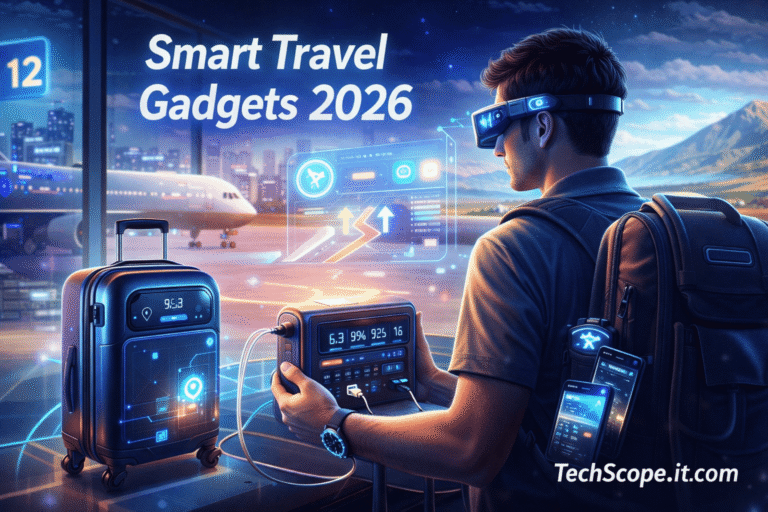
At home, automation systems regulate temperature, lighting, air quality, and security autonomously. Travel gadgets manage boarding passes, hotel bookings, navigation, and expense tracking in real time.
These everyday applications demonstrate how intelligence ecosystems, as outlined in AI in Everyday Life, are transitioning from convenience features into essential life infrastructure.
Benefits of Life-Managing Gadgets
Next-generation gadgets deliver cognitive relief, time savings, improved decision quality, personalized wellness, and continuous performance optimization—helping users live healthier, more productive, and more balanced lives.
The greatest benefit is reduced mental load. By handling reminders, scheduling, monitoring, and optimization automatically, these devices free attention for creativity and strategy. They improve time management by eliminating inefficiencies and preventing conflicts before they occur.
Health outcomes improve through early detection and continuous monitoring. Productivity rises as systems align tasks with energy cycles. Financial stability increases through automated planning and forecasting. Most importantly, users gain control over complexity without sacrificing convenience.
Risks, Privacy, and Ethical Considerations
While powerful, life-managing gadgets raise concerns about data privacy, surveillance, algorithmic bias, cybersecurity, and over-dependence—making responsible configuration and informed usage essential.
These systems collect intimate data about health, behavior, location, finances, and emotions. Poor security practices may expose sensitive information. Algorithmic bias may influence recommendations unfairly. Over-reliance on automation can weaken decision-making skills.
Responsible adoption requires strong encryption, transparent data policies, manual override options, and periodic audits. Users should treat these gadgets as assistants—not replacements for critical thinking.
Buying Guide – Choosing the Right Next-Generation Gadgets
Selecting effective life-managing gadgets requires evaluating ecosystem compatibility, AI quality, privacy protection, update support, and long-term usability.
Buyers should prioritize devices that integrate smoothly with existing platforms. AI capabilities should improve over time through learning. Privacy controls must allow granular permission management. Reliable software updates ensure long-term security and performance.
Avoid fragmented systems that cannot communicate across devices. A unified ecosystem delivers the greatest benefits.
Future Trends – The Evolution of Life Management Technology
Future gadgets will evolve into autonomous digital companions capable of emotional awareness, predictive diagnostics, financial forecasting, and multi-device orchestration—transforming technology into a continuous life partner.
Emerging trends include emotional AI that detects mood, predictive health systems that prevent disease, and unified platforms that coordinate homes, vehicles, workplaces, and wearables seamlessly. Digital twins may soon simulate life decisions before execution.
These advances build directly on innovation pathways outlined in Technology Trends 2026, where ambient computing and intelligent automation dominate consumer ecosystems.
FAQs – Next-Generation Gadgets Explained
What are Next-Generation Gadgets?
They are intelligent devices that manage tasks, decisions, and routines autonomously using AI and automation.
Are these gadgets safe to use daily?
Yes, when configured securely and updated regularly.
Can they replace human assistants?
They complement humans by handling routine tasks, not complex judgment.
How much data do they collect?
Data varies by device but typically includes behavior, health, and usage patterns.
Are they suitable for non-technical users?
Modern systems are designed for intuitive setup and daily use.
Conclusion: Living Smarter with Intelligent Technology
Next-Generation Gadgets are redefining the relationship between humans and technology. By transforming devices into proactive life managers, they simplify complexity, enhance well-being, and unlock higher productivity. As AI, automation, and connectivity mature, these gadgets will become invisible partners—quietly optimizing every dimension of modern life.
The future of living smarter has already begun.