Wearable Health Devices 2026: Smart Technology Transforming Fitness, Monitoring, and Preventive Care
Wearable Health Devices 2026 represent a powerful transformation in how people monitor, manage, and protect their health. No longer limited to step counters and calorie trackers, modern wearables now function as intelligent health companions. They continuously collect physiological data, analyze patterns using artificial intelligence, and provide personalized insights that support fitness optimization, early disease detection, and preventive care.
As healthcare becomes increasingly digital and personalized, wearable technologies are emerging as one of the most influential innovations of the decade. This evolution closely mirrors the broader integration of artificial intelligence into daily routines discussed in AI in Everyday Life, where smart systems now guide not only productivity and convenience but also long-term wellness and medical decision-making.
In 2026, wearable health devices are no longer optional accessories. They are becoming essential tools for individuals, clinicians, athletes, seniors, and healthcare systems worldwide.
Table of Contents
What Are Wearable Health Devices and How Do They Work in 2026?
What makes wearable health devices truly intelligent in 2026? These advanced gadgets combine biosensors, embedded processors, wireless connectivity, and AI-driven analytics to track vital signs continuously and interpret complex health patterns in real time.
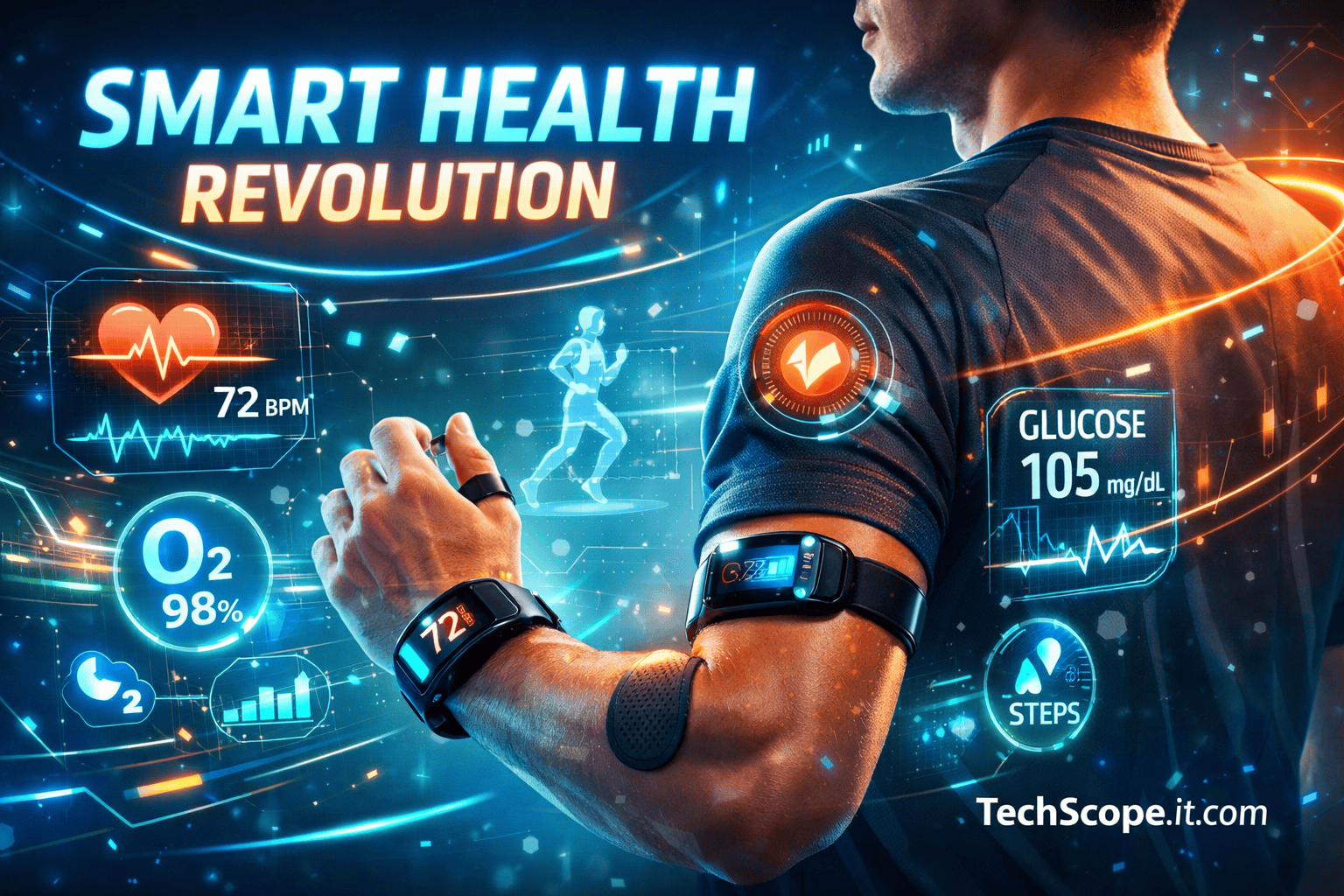
Modern wearables operate through a layered system. Sensors embedded in wristbands, rings, patches, clothing, or glasses collect physiological signals such as heart rhythm, oxygen saturation, temperature, motion, and muscle activity. This data is transmitted to smartphones or cloud platforms, where artificial intelligence algorithms analyze trends, detect anomalies, and generate actionable health recommendations.
Unlike earlier generations that simply displayed raw metrics, today’s devices provide predictive insights. They can forecast fatigue, detect early signs of infection, identify irregular heart rhythms, and alert users to emerging risks before symptoms appear.
This shift reflects the same intelligence-driven transformation described in Next-Generation Gadgets 2026, where smart hardware increasingly anticipates needs rather than merely responding to commands.
Core Categories of Wearable Health Devices in 2026
Which types of wearable health devices dominate the market in 2026? The ecosystem now includes a diverse range of form factors designed for fitness tracking, medical diagnostics, and long-term health management.
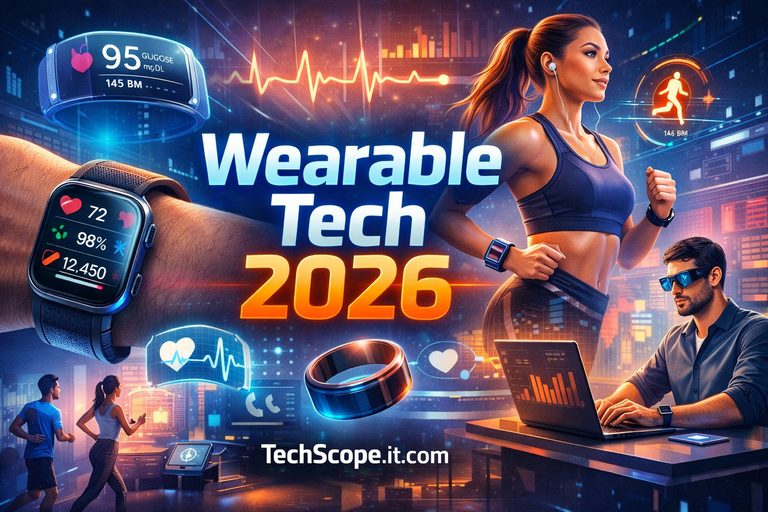
Smartwatches and fitness trackers remain the most widespread category. These devices offer continuous heart-rate monitoring, sleep staging, activity recognition, stress analysis, and recovery scoring. Advanced models now include electrocardiogram sensors, skin temperature tracking, and blood oxygen measurement, providing near-clinical accuracy in everyday settings.
Medical-grade wearables represent the fastest-growing segment. These include remote ECG monitors, blood pressure patches, glucose-tracking biosensors, and rehabilitation wearables prescribed by clinicians. Hospitals increasingly deploy them to monitor patients after discharge, reducing readmissions and enabling real-time intervention.
Smart clothing and biometric patches introduce a new frontier. Conductive fabrics and ultra-thin sensors embedded into garments monitor posture, respiration, hydration, and muscle activation without requiring bulky hardware.
Medical institutions emphasize the growing reliability of these technologies, as explained by clinical research platforms such as Augusta University on wearable health devices, which detail how continuous monitoring improves early diagnosis, patient engagement, and long-term outcomes.
Fitness Revolution Through Wearable Health Devices 2026
How are wearable health devices reshaping fitness and performance? In 2026, fitness is no longer driven by generic workout plans or static goals. Wearables now personalize training in real time, adapting routines based on physiological readiness, recovery status, and long-term trends.
Advanced fitness wearables analyze biomechanics, stride efficiency, heart-rate variability, and oxygen utilization to create adaptive training programs. Runners receive pacing guidance based on lactate threshold predictions. Strength athletes track muscle fatigue to prevent overtraining. Recreational users receive dynamic coaching that evolves with their progress.
Recovery optimization has become equally sophisticated. Sleep analytics now identify micro-arousals, REM stability, and circadian rhythm alignment. Wearables recommend hydration strategies, breathing exercises, and rest schedules to maximize performance and reduce injury risk.
This performance-driven intelligence aligns closely with the innovation landscape explored in Smart Gadgets 2026, where consumer technology increasingly adapts dynamically to individual behavior rather than requiring constant manual input.
Health Monitoring and Preventive Care in 2026
Can wearable health devices truly prevent illness? In 2026, prevention has become one of their most valuable functions. Continuous monitoring enables early detection of subtle physiological changes that often precede serious conditions.
Cardiac monitoring now detects arrhythmias, atrial fibrillation, and abnormal heart rhythms long before clinical symptoms develop. Oxygen saturation trends reveal respiratory stress, while temperature fluctuations can indicate early infection or inflammation.
For chronic disease management, wearable biosensors track glucose, blood pressure, and medication adherence in real time. These systems automatically share data with healthcare providers, enabling timely interventions and reducing emergency hospital visits.
Predictive algorithms represent a breakthrough. By analyzing months of biometric data, wearables can forecast cardiovascular risk, identify burnout patterns, and predict dehydration or electrolyte imbalance before performance declines.
This proactive approach reflects the healthcare transformation discussed in AI in Everyday Life, where machine learning now supports early diagnosis, continuous care, and personalized treatment pathways.
Integration With Smart Ecosystems and Digital Health Platforms
How do wearable health devices fit into broader digital ecosystems? In 2026, wearables operate as nodes within interconnected networks linking smartphones, smart homes, hospitals, insurance systems, and telehealth platforms.
Health dashboards now consolidate data from multiple devices into unified profiles accessible by users and clinicians. Smart homes adjust lighting, temperature, and sleep environments based on biometric feedback. Telemedicine platforms integrate live sensor streams during virtual consultations, enabling remote diagnostics with unprecedented precision.
Interoperability has become a defining feature. Standardized protocols allow wearables from different manufacturers to share data securely across platforms, creating comprehensive lifelong health records.
This ecosystem-level intelligence reflects the systems described in Next-Generation Gadgets 2026, where devices collaborate autonomously to manage complex aspects of life and health.
Benefits of Wearable Health Devices 2026
Why are wearable health devices becoming indispensable? Their benefits extend far beyond convenience, reshaping healthcare delivery and personal wellness.
Continuous monitoring enables early detection of disease and reduces diagnostic delays. Personalized insights improve fitness outcomes and accelerate rehabilitation. Remote patient monitoring reduces hospital readmissions and healthcare costs. Individuals gain unprecedented control over their own health data, fostering proactive self-care and lifestyle improvement.
At the system level, these devices reduce strain on healthcare infrastructure by shifting care from reactive treatment to continuous prevention.
Risks, Privacy Concerns, and Ethical Challenges
What risks accompany wearable health devices? Despite their advantages, these technologies raise important concerns. Data privacy remains paramount, as biometric information is highly sensitive and valuable. Cybersecurity breaches could expose personal health histories or enable unauthorized surveillance.
Accuracy limitations also persist. While algorithms continue to improve, false positives and false negatives may cause unnecessary anxiety or missed diagnoses. Ethical debates surround data ownership, algorithmic bias, and long-term dependence on automated diagnostics.
Responsible innovation is therefore critical, echoing discussions within Smart Gadgets 2026, where transparency, security, and regulatory oversight remain essential for sustainable adoption.
Future Trends in Wearable Health Devices Beyond 2026
What lies ahead for wearable health technology? The next wave of innovation promises even deeper integration with human biology. Non-invasive glucose monitoring will eliminate finger-prick testing. Smart skin patches will deliver continuous biochemical analysis. Neural interfaces may one day monitor cognitive fatigue and emotional health.
Artificial intelligence will increasingly predict disease trajectories years in advance, enabling personalized preventive strategies at unprecedented scale. Wearables will evolve from monitoring tools into fully autonomous health management systems.
Frequently Asked Questions About Wearable Health Devices 2026
Are wearable health devices medically reliable?
Many devices now meet clinical standards, especially for cardiac and respiratory monitoring, though professional diagnosis remains essential.
Can wearables replace doctor visits?
They complement rather than replace physicians, enabling early detection and remote care while preserving clinical oversight.
How secure is wearable health data?
Leading platforms use encryption and compliance frameworks, but users should review privacy policies and security practices carefully.
Which devices are best for seniors?
Fall-detection wearables, cardiac monitors, and medication-tracking devices offer the greatest benefits for older adults.
Final Thoughts: The Intelligent Future of Personal Healthcare
Wearable Health Devices 2026 mark a defining shift toward proactive, personalized, and data-driven healthcare. By combining continuous monitoring, predictive analytics, and seamless ecosystem integration, these technologies empower individuals to understand, protect, and optimize their health like never before.
As artificial intelligence continues to mature, wearable health devices will not merely track wellness—they will become lifelong health partners guiding fitness, preventing disease, and shaping the future of preventive medicine.