Future of Technology: How AI, Automation, and Smart Systems Will Shape the Next Decade
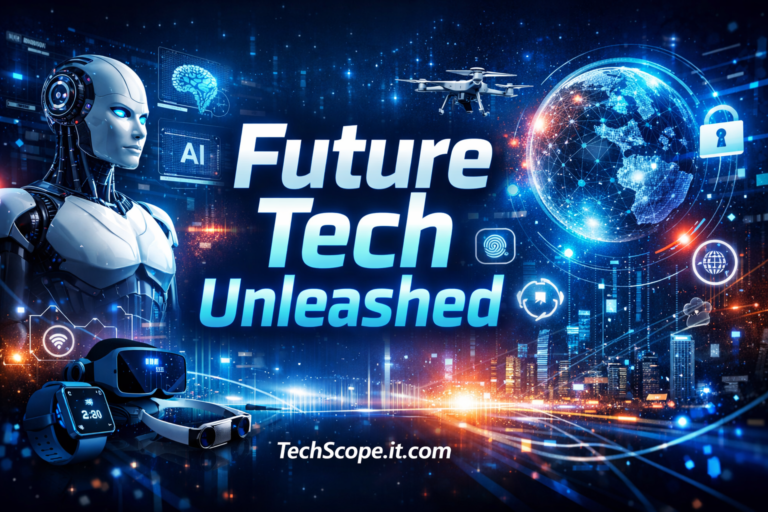
The Future of Technology is actively unfolding. Artificial intelligence, automation, and smart systems are reshaping how businesses operate, how cities function, and how people interact with the digital world. Unlike past technological revolutions, today’s innovations are accelerating rapidly, transforming productivity, creativity, and human potential.
From AI-driven decision-making to autonomous systems and intelligent infrastructure, understanding these shifts is crucial for businesses, professionals, and everyday users who want to remain relevant, secure, and empowered in a rapidly evolving digital era.
Table of Contents
Artificial Intelligence as the Foundation of the Future of Technology
How will artificial intelligence define the future of technology? AI is becoming the central engine of innovation by enabling systems to learn, adapt, and make autonomous decisions, transforming industries, productivity, and digital experiences worldwide.
Artificial intelligence is no longer a standalone technology—it is the backbone of modern innovation. Unlike traditional software that follows fixed rules, AI systems continuously improve through data, feedback, and real-world interaction. This ability to evolve makes AI the most powerful force shaping the future.
Across industries, AI optimizes operations, predicts outcomes, and personalizes experiences. Businesses use AI to forecast demand, detect fraud, and automate workflows, while consumers experience AI through recommendation engines, voice assistants, and smart applications.
For a real-world perspective on AI in daily routines, explore our guide on AI in Everyday Life, showing how AI quietly supports work, homes, and personal decisions.
Generative AI and Intelligent Systems
Generative AI is reshaping creativity and productivity. From writing and design to software development, AI-generated outputs assist professionals rather than replacing them, accelerating workflows, reducing repetitive effort, and unlocking new creative possibilities.
Automation and Robotics Redefining Productivity
How is automation reshaping work? Automation enhances efficiency by handling repetitive tasks and enabling humans to focus on strategic, creative, and high-value decisions.
Automation has expanded far beyond factories. AI-powered automation now operates in healthcare, finance, logistics, customer service, and education. Intelligent systems process vast datasets faster than humans, reducing errors and improving accuracy.
Rather than replacing humans entirely, automation reshapes roles. Professionals collaborate with machines, using AI insights to make better decisions. This improves productivity while preserving human judgment and creativity.
These trends are reflected in latest technology news in 2026, showing widespread adoption of automation across global industries.
Human–Machine Collaboration
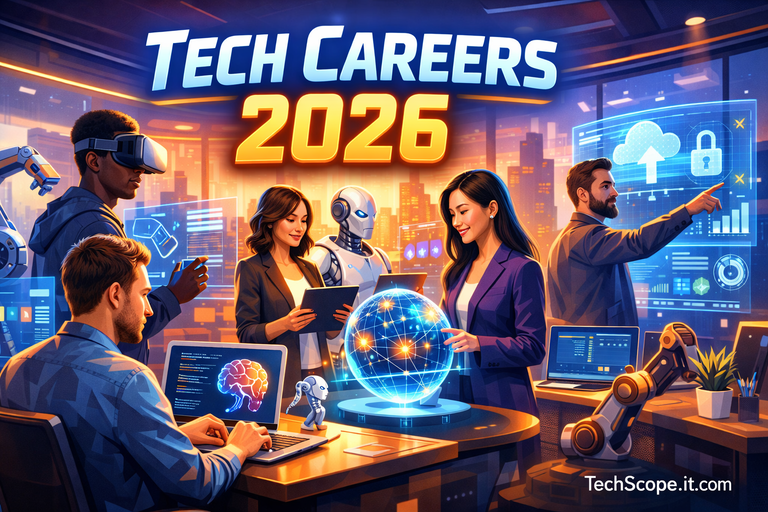
Future workplaces rely on collaboration between humans and intelligent systems. AI handles analysis and repetition, while humans provide ethics, creativity, and leadership—creating a balanced, efficient workforce.
Smart Systems and Connected Technologies
How do smart systems influence the future of technology? Smart systems combine AI, sensors, and connectivity to create environments that adapt intelligently to human behavior and real-world conditions.
Smart systems power modern cities, transportation networks, healthcare infrastructure, and homes. These interconnected technologies use real-time data to optimize energy use, improve safety, and enhance user experience.
Smart Cities and Infrastructure
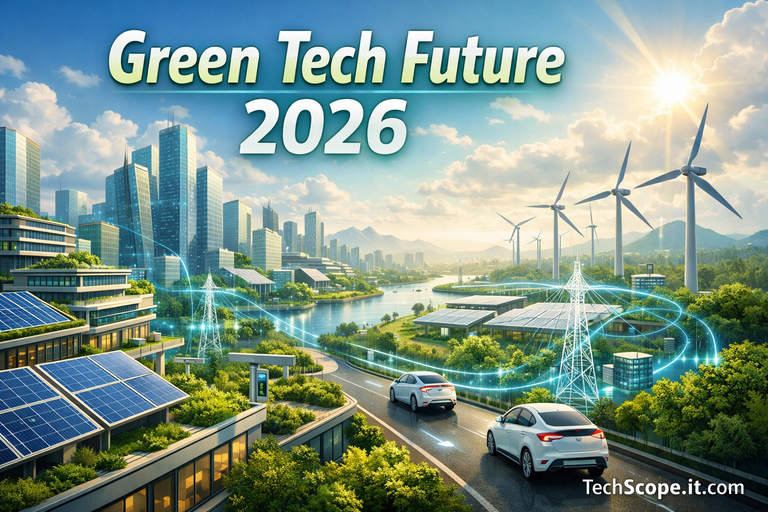
Cities are evolving into intelligent ecosystems. AI-powered traffic systems reduce congestion, smart grids manage energy efficiently, and predictive analytics improve public safety and emergency response.
Smart Homes and Digital Living
Smart homes adjust automatically to users. Lighting, climate control, and security systems learn habits and optimize settings for comfort, efficiency, and safety—demonstrating how technology integrates seamlessly into daily life.
How Organizations Are Adapting to the Future of Technology
How are organizations responding to AI integration? Companies are shifting from short-term innovation to long-term intelligent systems that continuously evolve through data and user feedback.
Instead of yearly radical redesigns, organizations refine user experience through software intelligence and adaptive algorithms. Once these AI trends become visible, businesses adjust long-term strategies rather than offering short-lived innovation.
This approach is vital during global technology showcases where future trends are unveiled and analyzed. Industry experts closely follow authoritative research, such as this Gartner report on strategic technology trends, highlighting AI-driven platforms, automation, and smart systems expected to dominate the next decade.
Benefits of the Future of Technology
Why is the future of technology beneficial? Emerging technologies improve efficiency, accessibility, sustainability, and quality of life while unlocking new economic opportunities.
Key Advantages
- Faster innovation and decision-making
- Improved healthcare diagnostics and treatment
- Smarter resource management and sustainability
- Enhanced accessibility for people with disabilities
- Personalized digital experiences
Technology is increasingly human-centered, focused on solving real-world problems rather than showcasing innovation alone.
Risks, Ethics, and Challenges Ahead
What challenges accompany the future of technology? Issues such as data privacy, algorithmic bias, cybersecurity threats, and over-reliance on automation must be addressed responsibly.
As systems become more autonomous, ethical concerns grow. Data misuse, biased algorithms, and security vulnerabilities are serious risks. Transparent AI design, regulation, and human oversight are essential to ensure trust and accountability.
Balancing innovation with responsibility will determine whether future technologies empower society or create new inequalities.
The Next Decade of the Future of Technology
What will the future of technology look like over the next decade? Expect autonomous AI agents, emotion-aware machines, and seamless integration between humans and digital systems.
Predicted Developments
- Autonomous AI agents managing workflows
- Self-driving transportation networks
- Emotion-aware digital assistants
- Hyper-personalized digital ecosystems
For a broader trend-focused perspective, explore Technology Trends 2026 to see how these innovations are evolving globally.
Frequently Asked Questions (FAQ)
What is the future of technology?
The future of technology refers to emerging innovations shaping how people live, work, and interact digitally.
Will AI replace human jobs?
AI is more likely to augment human roles rather than replace them entirely.
Is automation dangerous?
Automation is beneficial when implemented responsibly with human oversight.
How can individuals prepare for future technologies?
By learning digital skills, staying informed, and adapting to AI-powered tools.
Conclusion: Preparing for a Smarter Digital World
The Future of Technology empowers humans, not replaces them. AI, automation, and smart systems are transforming the world into a more efficient, connected, and intelligent place. Those who understand and adapt to these changes early will lead the next decade of innovation instead of chasing it.