Green Technology 2026: How Clean Energy, Smart Grids, and Sustainable Innovation Are Powering the Future
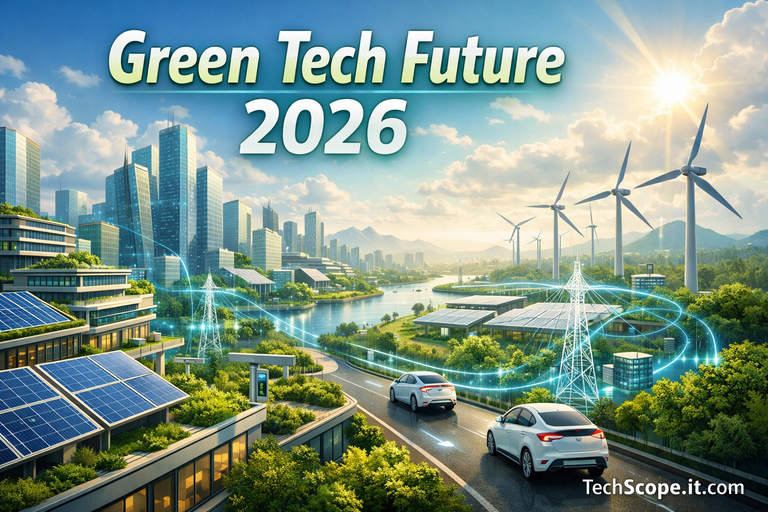
Green technology is no longer a future ambition—it is a present-day necessity. As climate challenges intensify and global energy demand rises, Green Technology 2026 represents a critical turning point where sustainability, innovation, and economic growth converge. From clean energy systems and smart grids to AI-driven efficiency and eco-friendly infrastructure, green technology is redefining how the world produces, distributes, and consumes energy.
This in-depth guide explores green technology as a complete topical authority, covering its foundations, real-world applications, benefits, risks, and future outlook—while offering practical insights businesses, policymakers, and individuals can act on today.
Table of Contents
What Is Green Technology and Why It Matters in 2026?
Green technology refers to innovations designed to reduce environmental impact, conserve resources, and support long-term sustainability. In 2026, it matters more than ever because climate targets, rising energy costs, and technological maturity are aligning at the same time.
Unlike earlier sustainability efforts that relied on isolated solutions, modern green technology integrates renewable energy, intelligent systems, and data-driven decision-making. This holistic approach enables economies to grow while reducing emissions, pollution, and waste.
At its core, green technology aims to balance progress with responsibility—ensuring innovation does not come at the cost of the planet. A foundational explanation of its principles and evolution can be found in Green technology, which outlines how eco-friendly systems are shaping modern industries.
Clean Energy Technologies Driving Global Transformation
Clean energy is the backbone of green technology, replacing fossil fuels with renewable and low-emission alternatives that are scalable, reliable, and increasingly affordable.
Solar Energy: From Supplement to Primary Power Source
Solar power has moved beyond rooftop panels into large-scale solar farms capable of powering entire cities. Advances in photovoltaic efficiency, battery storage, and grid integration make solar energy a dependable primary energy source rather than a backup option.
Wind Energy and Hybrid Renewable Systems
Wind energy—both onshore and offshore—continues to expand rapidly. In 2026, hybrid systems combining wind, solar, and storage are becoming the norm, ensuring consistent energy supply even during weather fluctuations.
Energy Storage and Battery Innovation
Modern batteries allow clean energy to be stored and used when demand peaks. This solves one of the biggest challenges of renewables—intermittency—making green power more reliable than ever.
These clean energy developments align closely with broader innovation themes explored in Future of Technology 2026, where sustainability and digital transformation move forward together.
Smart Grids: The Intelligence Behind Sustainable Energy
Smart grids are transforming traditional power networks into responsive, self-optimizing systems. Instead of one-way electricity flow, smart grids use digital communication, sensors, and AI to balance supply and demand in real time.
Key smart grid capabilities include:
- Real-time energy monitoring
- Automated fault detection and recovery
- Dynamic load balancing
- Seamless integration of renewable sources
Smart grids are essential for handling decentralized energy production, such as rooftop solar and community wind projects. They are also foundational to digitally connected cities discussed in Smart Cities 2026, where intelligent energy systems support transportation, housing, and public services.
Sustainable Innovation in Cities and Infrastructure
Green technology extends far beyond energy production—it reshapes how cities are built, operated, and expanded.
Green Buildings and Eco-Friendly Construction
Modern buildings are designed to consume less energy through smart insulation, adaptive lighting, and automated climate control. Sustainable materials reduce carbon footprints while improving durability and comfort.
Electric Mobility and Clean Transportation
Electric vehicles, charging networks, and clean public transport systems reduce urban emissions and dependence on fossil fuels. Cities adopting electric buses and rail systems are seeing immediate air quality improvements.
These urban innovations demonstrate how sustainability becomes practical when integrated into long-term planning rather than treated as an afterthought.
The Role of AI and IoT in Green Technology
Artificial intelligence and the Internet of Things (IoT) are critical enablers of green technology. They turn raw data into actionable insights that reduce waste and improve efficiency.
Examples include:
- AI forecasting renewable energy output
- IoT sensors tracking energy consumption in real time
- Automated systems optimizing heating, cooling, and lighting
IoT-enabled solutions quietly improve everyday efficiency while reducing environmental impact. You can see similar intelligent systems in action in AI in Everyday Life, where connected technologies support homes, workplaces, and personal routines without constant user input.
Economic and Environmental Benefits of Green Technology
The benefits of green technology go far beyond environmental protection.
Environmental Benefits
- Reduced greenhouse gas emissions
- Improved air and water quality
- Conservation of natural resources
Economic Benefits
- Lower long-term energy costs
- Energy independence
- Job creation in renewable and clean-tech sectors
Businesses adopting green technology often gain competitive advantages through efficiency, regulatory compliance, and improved brand trust.
Challenges and Risks Facing Green Technology
Despite rapid progress, green technology faces real challenges that must be addressed realistically.
High Initial Investment
Renewable infrastructure and smart grids require significant upfront capital, which can slow adoption in developing regions.
Grid Integration Complexity
Integrating renewable energy into existing grids demands advanced management systems and skilled professionals.
Energy Storage Limitations
Although improving rapidly, battery technology still faces cost, capacity, and recycling challenges.
Understanding these risks allows policymakers and businesses to design scalable, resilient strategies rather than relying on idealistic assumptions.
Green Technology as a Defining Trend of 2026
Sustainability is no longer a niche movement—it is one of the most influential Technology Trends 2026 shaping global investment, innovation, and regulation.
From startups developing carbon-capture solutions to multinational corporations committing to net-zero targets, green technology has become a central pillar of modern progress.
Future Outlook: What Comes After Green Technology 2026?
Looking beyond 2026, green technology will continue evolving through:
- Advanced battery and hydrogen energy systems
- AI-driven climate modeling
- Circular economy innovations
- Fully autonomous energy management
These developments will further blur the line between digital intelligence and environmental responsibility, creating systems that adapt automatically to both human needs and ecological limits.
Frequently Asked Questions (FAQs)
What is green technology?
Green technology includes innovations that reduce environmental impact while supporting sustainable growth, such as renewable energy and smart systems.
Are green technologies cost-effective?
While initial costs may be high, long-term savings and efficiency gains make them economically viable.
How do smart grids support clean energy?
Smart grids balance supply and demand, integrate renewables, and reduce outages through real-time data and automation.
Can individuals benefit from green technology?
Yes—through lower energy bills, cleaner environments, and smarter home systems.
Is green technology the future of innovation?
Absolutely. Sustainability is becoming a core driver of technological advancement across industries.
Conclusion
Green Technology 2026 marks a defining moment where clean energy, smart grids, and sustainable innovation move from vision to reality. These technologies are not only protecting the environment—they are reshaping economies, cities, and everyday life.
As green solutions become smarter, more affordable, and more integrated, sustainability is no longer a compromise. It is the engine powering the future.