Metaverse Technology 2026: How Virtual Worlds, AR, and Digital Identity Are Reshaping the Internet
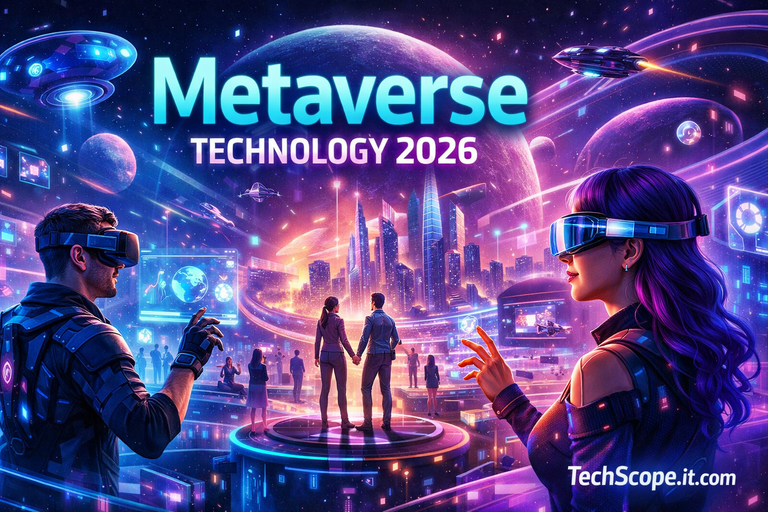
The internet is entering its next evolutionary phase. Instead of scrolling through flat pages and apps, users are beginning to step inside digital environments that feel persistent, social, and immersive. Metaverse Technology 2026 represents this transition, combining virtual worlds, augmented reality, artificial intelligence, and digital identity into a connected digital universe that reshapes how people work, learn, socialize, and do business. For a detailed overview of the Metaverse concept, see Metaverse, which explains its history, applications, and future potential.
This shift is not about replacing the internet overnight—it’s about expanding it into experiential spaces where digital interaction feels more human, contextual, and interactive. As hardware improves and platforms mature, the metaverse is moving from hype to real-world utility.
Table of Contents
What Is Metaverse Technology and Why Is 2026 a Turning Point?
Metaverse technology refers to persistent, shared digital environments where users interact through avatars, virtual assets, and immersive interfaces. Unlike traditional websites or apps, these environments exist continuously, even when users log off, and evolve through real-time participation.
The year 2026 is a turning point because multiple technologies are finally aligning:
- Affordable VR and AR hardware
- Faster networks like 5G and edge computing
- AI-driven personalization and automation
- Blockchain-based digital ownership
Together, these technologies enable scalable, realistic virtual experiences that go beyond gaming and entertainment.
Virtual Worlds Are Becoming the New Digital Infrastructure
Virtual worlds are no longer isolated platforms. They are evolving into digital infrastructure layers that support collaboration, commerce, and creativity. In these spaces, users attend meetings, host events, build products, and operate businesses entirely inside immersive environments.
Companies are already replacing video calls with virtual offices where teams interact spatially, improving engagement and collaboration. These environments also function as testing grounds through digital twins—virtual replicas of real-world systems—similar to how cities simulate traffic and infrastructure in smart cities 2026 before implementing physical changes.
Augmented Reality Is Blending the Digital and Physical Worlds
Augmented reality plays a crucial role in making the metaverse practical rather than purely virtual. Instead of replacing the real world, AR enhances it with digital layers, delivering contextual information, interactive objects, and guided experiences.
By 2026, AR is widely used in:
- Navigation and smart tourism
- Retail and product visualization
- Remote assistance and training
- Education and healthcare
These experiences feel familiar because they extend tools people already use daily, such as AI-powered assistants and smart applications described in AI in Everyday Life.
Digital Identity and Avatars Are Redefining Online Presence
Identity in the metaverse is no longer limited to usernames and profiles. Users now operate through persistent digital identities represented by avatars, wallets, and credentials that travel across platforms.
Blockchain technology enables:
- Ownership of virtual land and assets
- Secure identity verification
- Portable reputations and achievements
This shift gives users greater control over their digital lives while creating new economic opportunities for creators, developers, and entrepreneurs.
Artificial Intelligence Is the Engine Behind Metaverse Experiences
Artificial intelligence makes the metaverse dynamic, scalable, and personalized. AI powers:
- Intelligent non-player characters (NPCs)
- Real-time translation and voice interaction
- Adaptive environments that respond to behavior
- Content moderation and safety systems
As AI systems learn from user interaction, virtual worlds evolve organically rather than remaining static. This approach mirrors broader innovation trends shaping the future of technology, where systems continuously improve through data and feedback.
Real-World Use Cases Across Industries
By 2026, metaverse technology is actively transforming multiple sectors:
Education:
Students participate in immersive simulations, virtual labs, and historical recreations that improve understanding and retention.
Healthcare:
Doctors use virtual environments for surgical training, therapy, and remote consultations.
Business and Work:
Companies conduct onboarding, training, and collaboration inside shared virtual offices.
Retail and Commerce:
Customers explore virtual stores, try products using AR, and purchase digital goods with real value.
These use cases demonstrate that the metaverse is becoming a functional extension of everyday digital life, not a novelty.
Privacy, Security, and Ethical Challenges
As immersive platforms collect biometric data, movement patterns, and behavioral signals, privacy and security concerns intensify. Without proper safeguards, users may face risks such as identity theft, surveillance, or data misuse.
Key challenges include:
- Protecting digital identity
- Managing data ownership
- Preventing harassment and abuse
- Ensuring ethical AI use
Addressing these issues is essential for long-term adoption and trust in metaverse ecosystems.
What the Future Holds Beyond 2026
The future of metaverse technology points toward:
- Interoperable virtual worlds
- More realistic haptics and sensory feedback
- Seamless transitions between physical and digital environments
- Stronger integration with AI and smart infrastructure
As these developments mature, the metaverse will feel less like a separate space and more like an invisible layer embedded into daily life, reshaping communication, creativity, and economic participation.
Frequently Asked Questions
Is the metaverse replacing the traditional internet?
No. The metaverse expands the internet by adding immersive, interactive layers rather than replacing existing platforms.
Do users really own digital assets in the metaverse?
Yes. Blockchain enables true ownership of virtual goods, identities, and digital property.
Is metaverse technology only for gaming?
No. Gaming was the starting point, but education, healthcare, work, and commerce are now major drivers.
Is the metaverse safe to use?
Safety depends on platform design, regulation, and user awareness. Security and ethics are ongoing priorities.
Final Thoughts
Metaverse Technology 2026 marks the shift from a screen-based internet to experience-driven digital interaction. As virtual worlds, augmented reality, AI, and digital identity converge, the way people connect and create online is fundamentally changing.
The metaverse is no longer a distant concept—it is becoming a practical, evolving ecosystem that blends seamlessly into the digital future.