Quantum Computing 2026: How Next-Gen Machines Will Revolutionize Data, Security, and AI
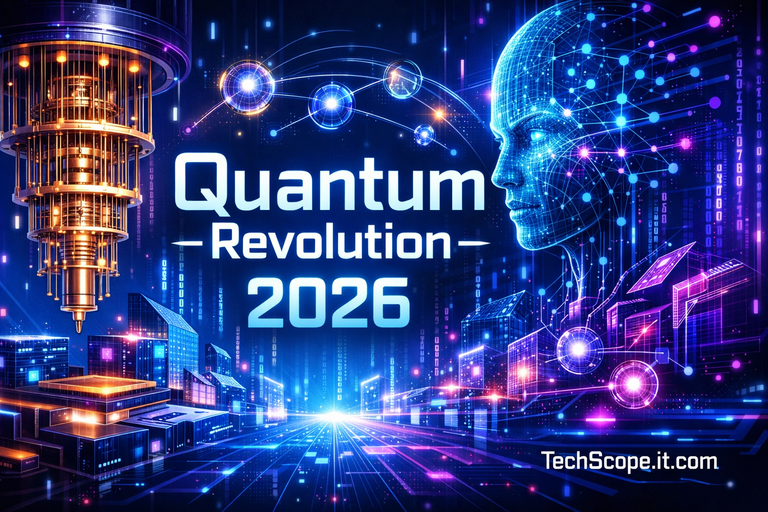
How will computing evolve as data volumes explode and artificial intelligence demands more processing power than traditional machines can deliver? As digital ecosystems become increasingly complex, classical computing is approaching its physical and efficiency limits. Quantum Computing 2026 represents a pivotal shift in this evolution, where next-generation quantum machines move beyond theoretical research to real-world impact—transforming how data is analyzed, secured, and leveraged to accelerate artificial intelligence and advanced innovation.
Quantum computing is no longer a distant scientific concept. Governments, research institutions, and global technology companies are actively investing in quantum hardware, cloud access, and real-world applications. As a result, 2026 is widely viewed as the year quantum computing transitions from experimental research into early commercial impact. For a wider perspective on how advanced technologies are converging, our guide on the future of technology in 2026 explores how AI, automation, and intelligent systems are evolving together.
Table of Contents
What Is Quantum Computing and Why Is It Different?
What makes quantum computing fundamentally different from classical machines? Traditional computers rely on bits that represent either a 0 or a 1. Quantum computers, however, use qubits that can exist in multiple states at the same time through a phenomenon known as superposition. Combined with entanglement, this allows quantum systems to perform many calculations simultaneously.
This unique structure enables quantum computers to solve certain problems exponentially faster than classical systems. While they are not designed to replace everyday computers, quantum machines excel at tasks involving massive complexity, such as molecular simulations, cryptographic analysis, and optimization problems that would take classical machines centuries to solve.
As quantum research accelerates, these breakthroughs increasingly appear alongside other emerging innovations highlighted in latest technology news in 2026, where advanced computing continues to dominate global tech discussions.
Quantum Computing vs Classical Computing
Can quantum computers replace classical computing entirely? The answer is no—at least not in the foreseeable future. Classical computers remain faster and more efficient for everyday tasks like browsing, document processing, and standard applications. Quantum computing shines in highly specialized scenarios where complexity overwhelms traditional systems.
Rather than competing, the two technologies are evolving together. Hybrid models combine classical processing for general tasks with quantum acceleration for complex calculations. This partnership allows organizations to harness the strengths of both approaches, creating more powerful and flexible computing ecosystems.
How Quantum Computing Will Transform Artificial Intelligence
How will quantum computing influence AI development? Artificial intelligence thrives on data, pattern recognition, and optimization—areas where quantum computing excels. Quantum-enhanced machine learning could process enormous datasets faster, identify deeper patterns, and optimize AI models beyond current limitations.
As AI systems become more integrated into daily life, quantum computing may unlock new capabilities in natural language processing, predictive analytics, and autonomous decision-making. These advancements build on the intelligent systems already shaping everyday experiences, as explored in AI in Everyday Life, where AI supports work, homes, and personal decision-making.
Revolutionizing Data Processing and Optimization
Why is quantum computing considered a breakthrough for big data? Classical systems process data sequentially or in limited parallel streams. Quantum systems analyze vast possibilities simultaneously, making them ideal for solving complex optimization problems.
Industries such as finance, logistics, and healthcare stand to benefit significantly. Quantum algorithms can optimize supply chains, improve risk modeling, accelerate drug discovery, and enhance climate simulations. These capabilities could reduce costs, increase efficiency, and enable solutions that were previously unattainable.
Quantum Computing and Cybersecurity in 2026
Will quantum computing make today’s encryption obsolete? One of the most disruptive aspects of quantum technology is its potential to break widely used cryptographic systems. Algorithms like Shor’s algorithm could theoretically crack encryption methods that currently secure global communications and financial systems.
This looming challenge has triggered a global push toward post-quantum cryptography—new encryption standards designed to resist quantum attacks. Organizations that prepare early will be better positioned to protect sensitive data in the quantum era. According to expert analysis of quantum computing trends in 2026, proactive security planning is essential to avoid long-term digital risk.
Real-World Applications Across Key Industries
Which sectors will feel the impact first? Early adoption of quantum computing is expected in industries where complex calculations offer immediate value.
Healthcare organizations are using quantum simulations to accelerate drug discovery and genetic research. Financial institutions are exploring quantum models to improve fraud detection and portfolio optimization. Energy companies are testing quantum solutions for grid optimization and sustainable resource management.
These early use cases demonstrate that quantum computing is not about distant possibilities—it is already shaping real-world innovation.
Challenges and Limitations of Quantum Computing
If quantum computing is so powerful, why isn’t it everywhere yet? Despite rapid progress, significant challenges remain. Quantum systems are extremely sensitive to environmental interference, leading to high error rates. Hardware is expensive, complex, and requires specialized conditions to operate.
There are also ethical and accessibility concerns. As quantum power grows, unequal access could widen technological gaps between organizations and nations. Addressing these challenges responsibly will be critical to ensuring equitable and secure adoption.
Key Quantum Computing Trends Beyond 2026
What comes next after 2026? The future points toward hybrid quantum-classical systems, improved error correction, and wider cloud-based access. As quantum hardware becomes more stable and scalable, integration with AI and automation platforms will accelerate.
These developments align closely with broader innovation patterns discussed in technology trends for 2026, where advanced computing plays a central role in shaping the digital economy.
Frequently Asked Questions About Quantum Computing 2026
Is quantum computing available for businesses in 2026?
Yes, through cloud-based quantum platforms and research partnerships, though access remains limited and specialized.
Will quantum computers replace classical computers?
No. Quantum systems complement classical computing rather than replacing it.
Is quantum computing a cybersecurity threat?
Yes, but it also drives the development of stronger, quantum-safe encryption methods.
How does quantum computing benefit AI?
It accelerates complex calculations, enabling more powerful and efficient AI models.
Conclusion: Preparing for the Quantum Era
Quantum Computing 2026 represents a defining moment in technological evolution. As next-generation machines move closer to practical use, they will reshape data processing, redefine digital security, and unlock new possibilities for artificial intelligence.
Organizations, developers, and policymakers who understand quantum computing today will be better prepared to lead tomorrow. The quantum era is no longer a distant vision—it is beginning now.